

Top Travel Tips for Traveling with Autism
Can you imagine…
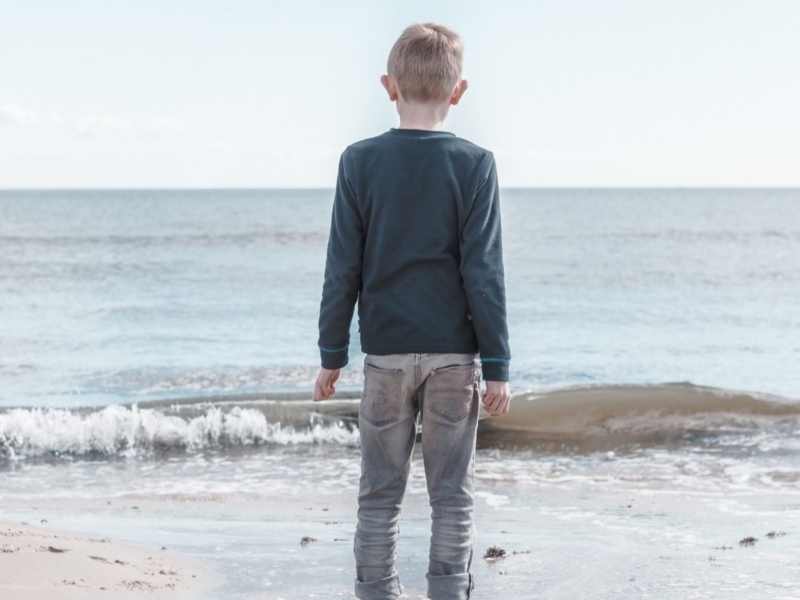
Seeing your child light up with a smile as he splashes his face in the clear, blue waters for the very first time …
Tucking your kids into plush hotel beds, after a day full of gobbling up giant scoops of gelato, pretending to be gladiators, and snapping plenty of family selfies …
Letting go of all the “what ifs,” your miles-long to-do list, and your fears for the future to simply enjoy being a family, together.
Family travel already gets complicated, fast—and with the challenges that special needs families face, it’s enough to make many parents put off a trip altogether. While travel with a special needs family member isn’t always easy—it IS possible, with the right guidance and expert planning.
To start, here are my top tips to keep in mind when preparing for a vacation!
1. Practice, practice, practice!
For individuals with autism, often the anxiety of the unknown is what causes the most problems. A great way to prepare is to do practice runs for all of the potential inputs you will encounter.
Practice not only helps your children to get used to the idea of adventure but it helps you to gain better control over their needs, how to prepare your family, and how to relax!
The ARC’s Wings for Autism/Wings for All program offers rehearsals for the experience in the airport and on the plane. They travel all around the country so check out if they are coming to an airport near you!
3. Provide choices!
The idea of a new environment can be intimidating for everyone, especially for an individual with autism. Allowing your child to feel they’re in control is one way to relieve that anxiety. One suggestion is having them pack their own backpack to carry with them. They can pack a few of their favorite things such as calming toys, books, iPads (or other devices) and snacks for the trip. This step provides your child with something to feel responsible for and allows them to choose which comfort items they bring along for this new experience. These familiar items will come in handy to reduce stress and boredom during “wait” times.
4. Prepare for sensory concerns!
Unfamiliar noises during travel may be problematic, but packing ear plugs, noise cancellation head phones or music players may help. If your child has difficulty handling crowds or standing in line, ask the gate attendant if you can board early to get settled in a seat quickly or plan to board last, so you spend less time waiting before departing. Also, for plane and bus trips, you might want to try to obtain seats toward the front, where your child might not feel as cramped and crowded as they would in the back.
5. Safety first!
Changing routines and new environments during travel make having a safety plan even more important. If your child tends to wander from safety, make sure to have copies of your family wandering emergency plan. Consider additional safety products such as wearable ID tags to make sure your child has a form of ID on him at all times. For more safety and wandering prevention tips and resources click here. The Wallet Card Project is a free ID tool for teenagers and adults who have Autism Spectrum Disorder (ASD). You can download it here.
6. Prep your environment!
When staying in a hotel, it is a good idea to call ahead and ask for a quiet room (think corners!) and request a room with a refrigerator if your child follows a specific diet. You also might want to explain your child’s particular needs in advance of arrival to see if there are any additional accommodations the hotel can provide. This will also give you an opportunity to discuss safety precautions such as door alarms and access to pools and bodies of water. If your child tends to wander from safety, provide copies of your family wandering emergency plan to hotel staff. The same goes if you’re staying with a friend or a relative.
7. Family watch system!
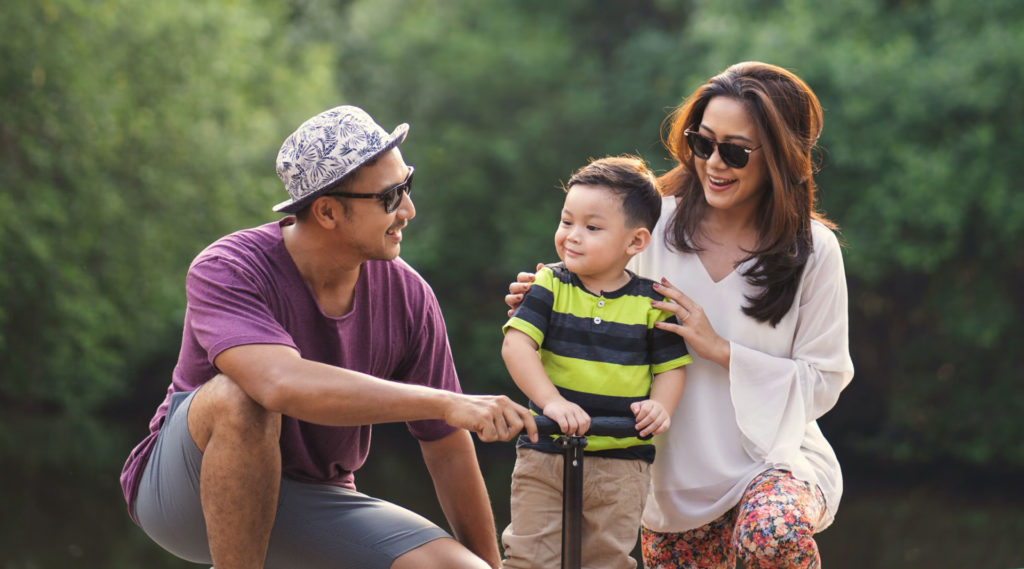
Another way to plan for a safe trip is to set a family watch system which may reduce stress and anxiety on the parent’s behalf, as well as other members of the family. Having one person at a time provide one-to-one supervision for your child and rotating that responsibility throughout the trip will help keep your child safe and give you peace of mind. This type of teamwork will allow everyone to navigate smoothly throughout the entire trip and help diminish stress.
8. Reinforce good behavior!
This can be done with the simple reward of praise, a sticker, a small toy or anything else that is reinforcing for your child. You could even consider having your child earn a special reward at the end of a successful drive, flight, or cruise! Remember to try and notice the times when your child is doing a great job and reinforce them with a reward. These positive behaviors might include sitting with their seatbelt, reading quietly or sharing.
9. Keep your routine!
Deviating from a routine can be challenging and stressful for an individual with autism. Try keeping to as normal of a routine as possible when your child Is going to be traveling. If your child likes to do certain activities in the morning and then have quiet time in the afternoon, you should try to follow that routine, even if you are en route. Think of your child’s daily routine and the items they like or need for it, and bring them along to make it feel more like home.
10. Create a schedule.
Since strictly keeping your everyday routine during a trip can be tough, creating a schedule will allow your child to develop a sense of a new routine for your trip. Your child can predict what is going to happen next and will relieve some of the anxiety of being in a completely new place. This can be something simple such as 8am-9am breakfast, 9-9:30 bus ride, 9:30-12:30 sightseeing, 12:30 lunch, 1:30 break, etc. You can learn more about using visual supports by downloading the ATN/AIR-P Visual Supports and Autism Spectrum Disorder Tool Kit.
While the thought of travelling can sound stressful, a little preparation can go a long way. By planning ahead, you can make the adventure of travelling much smoother and set your child up for success!